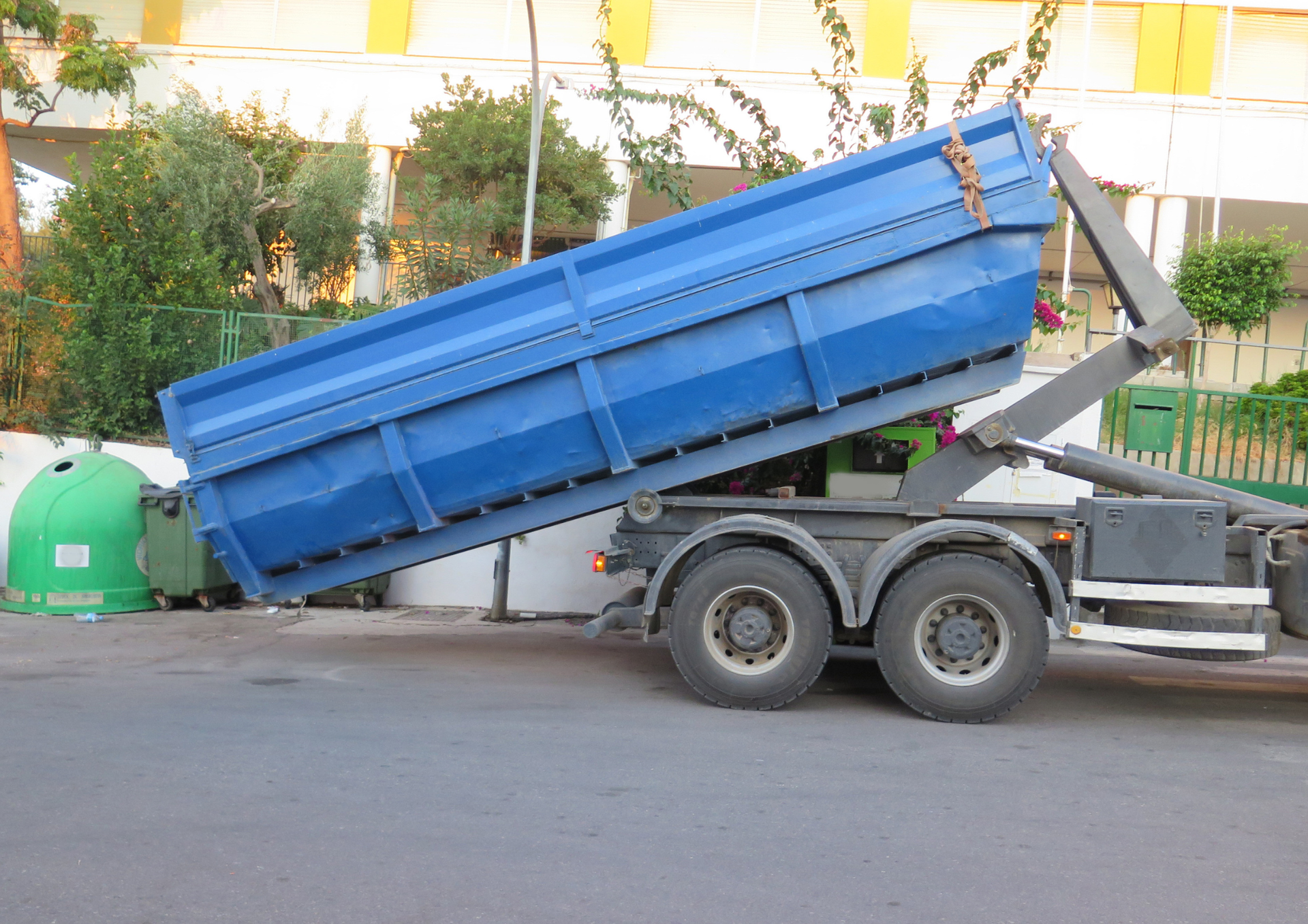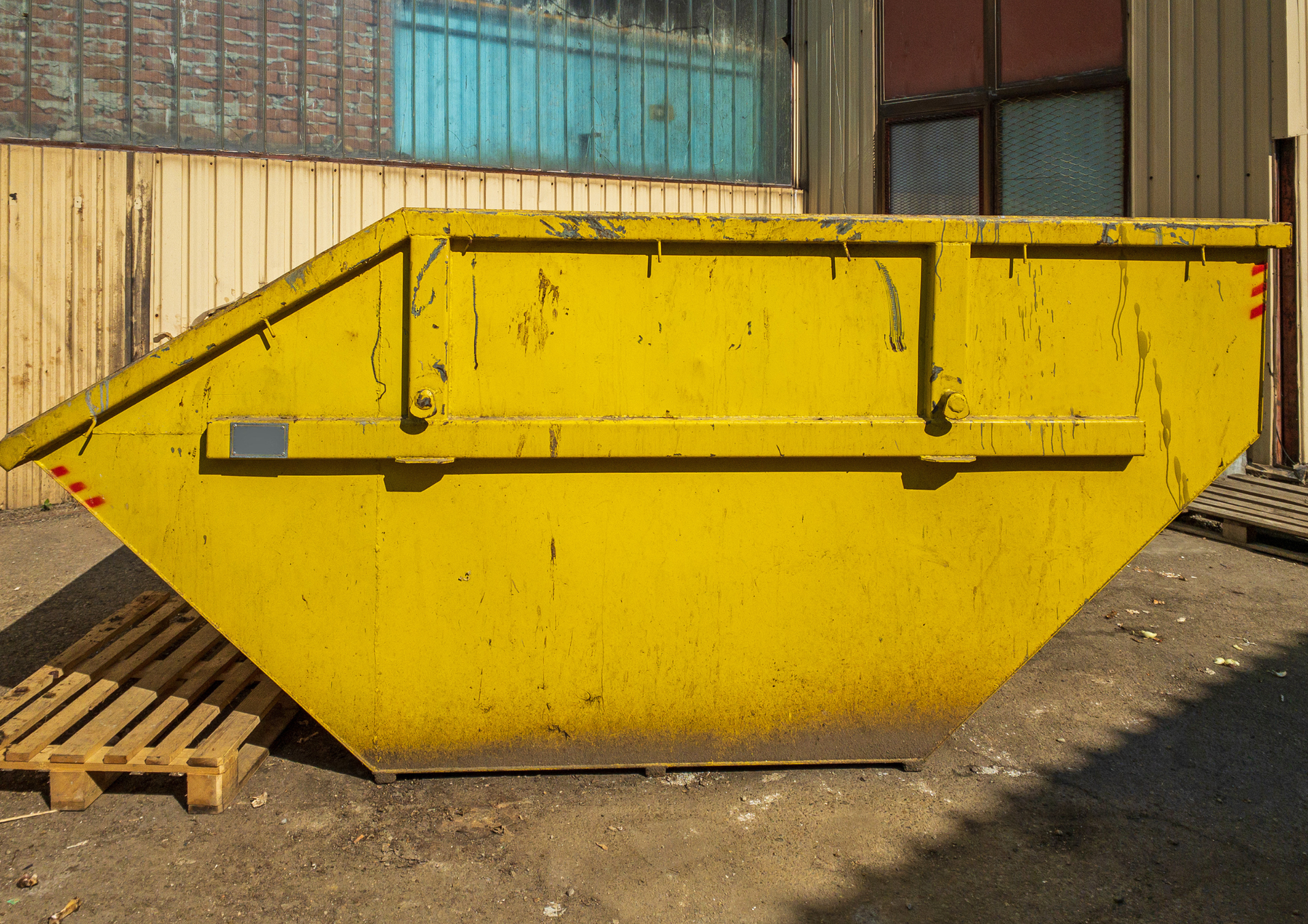


A Guide to Safely Positioning Waste Containers on Your Property
Correct placement plays a major role in keeping projects safe, efficient, and compliant. When positioning skips, property owners and site managers must consider access, ground conditions, visibility, and nearby hazards to prevent damage or disruption. Good planning protects driveways and pavements, maintains safe walkways, and ensures collections run smoothly.
Driveways, Hardstanding, and Ground Protection
Placing a container on a private driveway or hardstanding is often the most straightforward option, provided the surface can support the weight. Concrete and block-paved driveways usually offer adequate strength, while tarmac and decorative paving may require protection to prevent indentations or cracking.
For heavier loads, such as an 8 yard skip, it is especially important to assess surface strength and use timber boards or protective mats. These measures distribute weight more evenly and reduce the likelihood of damage, helping maintain the condition of the property throughout the project.
Access Routes and Safe Loading Areas
Easy and safe access is essential for both delivery vehicles and users loading waste. Containers should be positioned to allow clear movement around the site without obstructing entrances, emergency access, or neighbouring properties. Poor placement can increase manual handling risks and slow progress.
When planning to rent a skip, consider how waste will be moved from the work area to the container. Short, unobstructed routes reduce trip hazards and improve efficiency, particularly on busy sites or shared access properties.
Matching Placement to Container Size
Different projects require different capacities, and placement must account for both size and weight. Smaller containers are often easier to position in tight spaces, while larger options require more room for delivery, manoeuvring, and safe loading.
A 6 yard skip is commonly chosen for domestic projects where space is limited. Its compact size makes it easier to position on driveways or restricted access areas while still providing sufficient capacity for household renovations and clear-outs.
A 12 yard skip is better suited to larger clear-outs or commercial work where access is less restricted. With greater capacity, it requires more space for safe placement but offers an efficient solution for handling higher waste volumes without frequent collections.
Visibility, Boundaries, and Compliance
Containers should always be positioned within clear property boundaries and kept visible to reduce the risk of accidental contact by vehicles or pedestrians. Adequate lighting and reflective markings help ensure skips remain clearly identifiable, particularly during darker hours or in shared spaces.
Local regulations may also influence placement, especially if access is restricted or boundaries are unclear. Clear planning and local knowledge help ensure positioning meets safety expectations while avoiding unnecessary disruption to neighbours or passers-by.
Safe positioning is a vital part of effective waste management. By considering surface strength, access routes, container size, and visibility,
skips can be placed in a way that supports safe working conditions and efficient collections. Thoughtful planning helps protect property, reduce risk, and keep projects running smoothly from start to finish.
Skip Hire Romford is designed to make waste management clear, safe, and dependable. Our platform connects customers with trusted providers who understand placement requirements, prioritise compliance, and communicate clearly at every stage. Whether you are planning a domestic project or coordinating commercial work, we help you access reliable solutions that support responsible waste handling without unnecessary complexity.
Don’t miss it on X: How to safely position
skips on your property – a practical guide!
Skip Hire Romford
01708 596 719
3 Bryant Avenue
Romford, RM3 0LL
United Kingdom
You might also like