

Domestic and Commercial Skips Near Me: Key Differences Explained
Hiring a skip is a practical way to manage waste, whether you're clearing your home or running a construction site. The right choice depends on your project's size and type, and searching for skips near me can help you find suitable local options.
One of the most common questions people ask is whether there’s a real difference between domestic and commercial skip. The short answer is yes—there are key distinctions in size, cost, regulations, and service features.
This article helps homeowners, tradespeople, and businesses choose the right skip.
What Defines Domestic Skip Hire?
Domestic skip hire is typically used by homeowners and individuals undertaking one-off or short-term projects. This includes activities such as home renovations, garden clearances, DIY work, loft clean-outs, or small refurbishments.
These skips are usually smaller in size and can be easily accommodated on driveways or private property. This convenience reduces the need for council permits, as there’s no requirement to place the skip on public roads in most cases.
A major benefit of domestic skip is flexibility. You can often book short-term options tailored to your project timeline. For example, someone searching for 1 day skip hire near me may only need a small skip for a quick weekend garden clearance or home declutter. In these situations, the focus is on ease of use, fast delivery, and affordable pricing.
Domestic skip is ideal when you have a good idea of the waste you’re dealing with, and it’s mostly made up of general household rubbish, green waste, or non-hazardous materials. If your job is relatively small in scale, this is likely the most cost-effective solution.
What Sets Commercial Skip Hire Apart?
Commercial skip hire is designed for businesses, contractors, and organisations that generate waste on a larger scale or over a longer period. It’s a service commonly used for construction projects, office renovations, landscaping contracts, and site clearances.
Unlike domestic hire, commercial skip typically involves larger skips and longer hire durations. Businesses often need regular collections or scheduled exchanges, particularly when waste output is high. This makes it more of a managed waste service rather than a one-off hire.
For example, a construction firm working on a multi-property build may search for skip rental near me and arrange ongoing deliveries and collections based on project timelines. In such cases, skip providers work closely with site managers to ensure compliance with environmental regulations and safety standards.
Commercial skip also comes with additional responsibilities. Waste must often be sorted according to type—such as inert waste, mixed construction waste, or recyclable materials. Failure to do so can result in added charges or penalties.
Moreover, due to the volume and nature of commercial waste, providers may require extra documentation such as waste transfer notes. This ensures full legal compliance and traceability of the waste stream.
Size and Type Differences Between Domestic and Commercial Skips
Skip sizes vary based on the type of project. Choosing the right size is essential to avoid overfilling, service issues, or unnecessary costs. Here's how domestic and commercial sizes compare:
- Domestic skips are typically smaller and ideal for home-based tasks. Common sizes include:
- 4 yard skips– suitable for garden clearances or minor refurbishments
- 6 yard skips– great for room renovations and household cleanouts
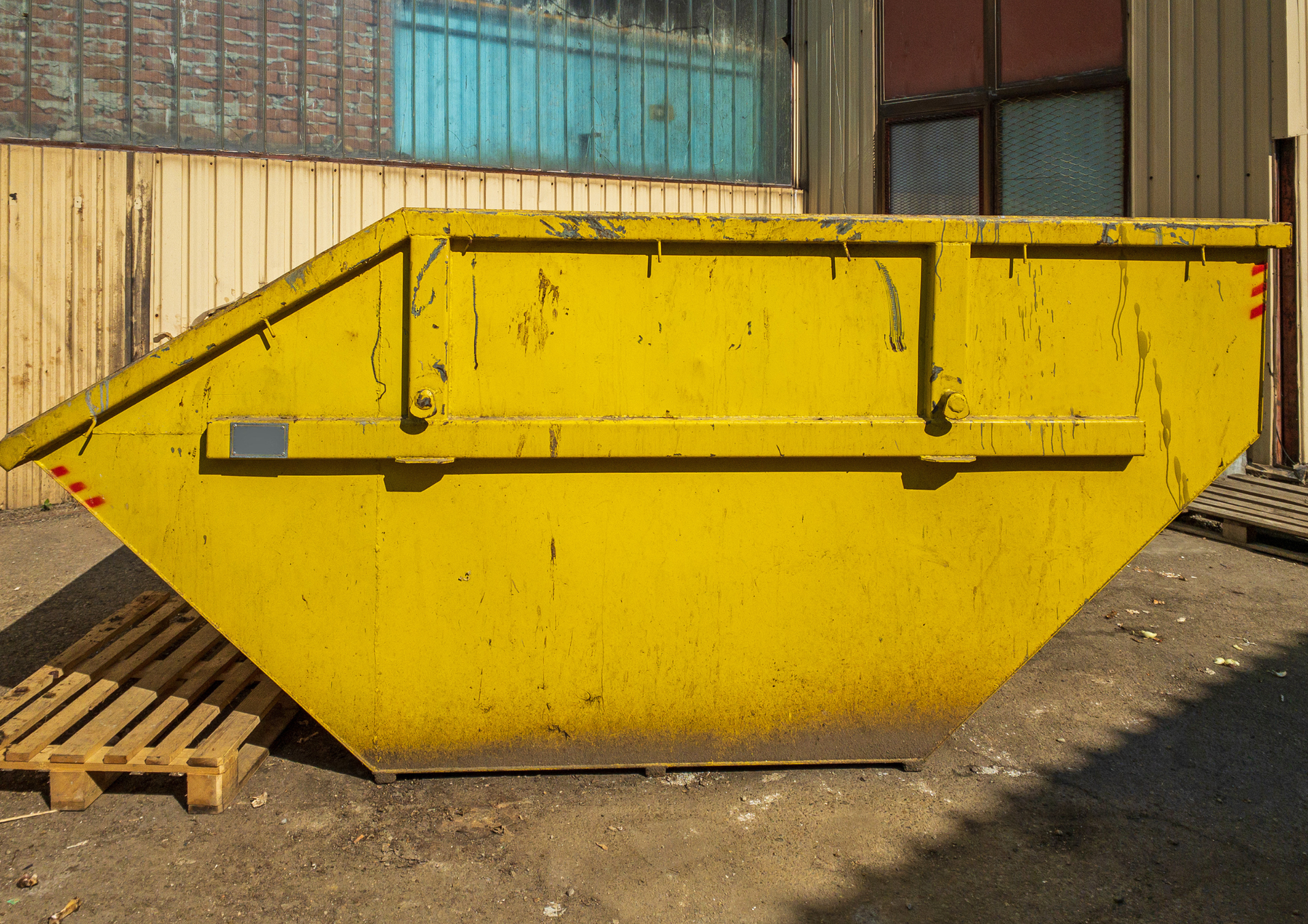
These are especially useful where access is limited, such as driveways or narrow streets. - Commercial projects require larger skips, as they generate more waste. Typical sizes include:
- 8-yard builders’ skips
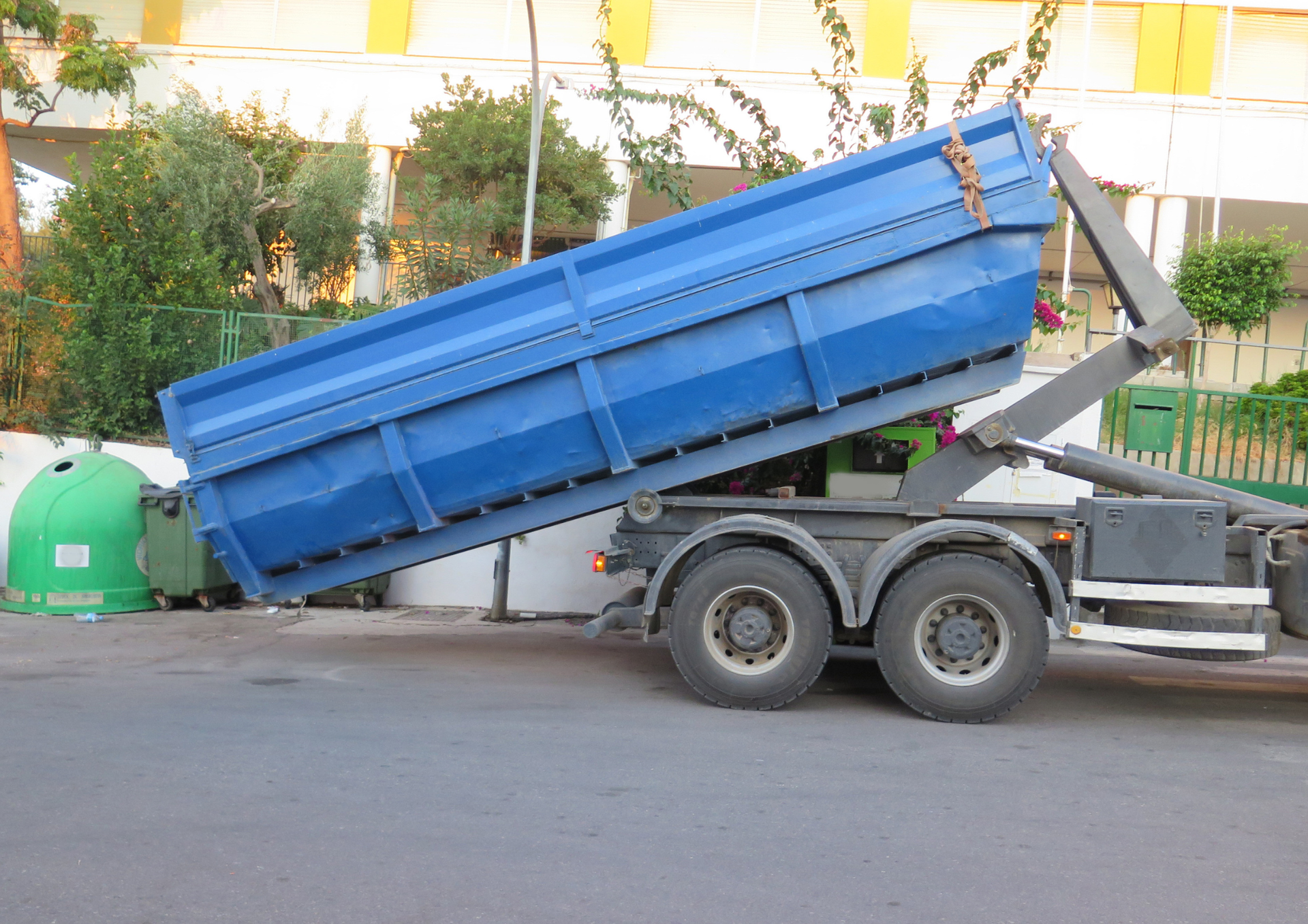
- 12-yard skips or roll-on/roll-off (RoRo) skips
These are designed for heavy, bulky waste from construction, demolition, or multi-week jobs. - People searching for “local skip hire near me” will find a range of options, but matching the size to your project is crucial. Using a domestic skip on a commercial site may cause overfilling or delays.
- Commercial skips may be reinforced to handle dense waste such as bricks, concrete, or soil, whereas domestic skips are better suited for lighter household rubbish.
- Skip placement matters for both types. Larger skips often need to be placed on public roads, which requires a permit. Your provider can usually help with permit arrangements, whether you’re working on a home clear-out or a building site in Romford.
Cost and Compliance Considerations
One of the biggest differences between domestic and commercial skip is cost—and what you get for your money. Domestic skip tends to be more straightforward, with flat rates based on skip size and hire duration. You can usually get a quote quickly and book online or over the phone.
By contrast, commercial skip may involve a tailored quote, taking into account the type of waste, project duration, location, and any required documentation or recycling targets.
Another key consideration is legal compliance. For commercial waste disposal, businesses are legally obliged to ensure their waste is handled properly from collection to disposal. This includes obtaining waste transfer notes and, in some cases, providing proof of recycling.
If you’re disposing of large volumes of office waste or site debris and you’ve been searching for rubbish skips near me, it’s important to choose a provider that offers fully licensed, compliant services. This protects your business from fines and demonstrates environmental responsibility.
That said, even domestic customers should be cautious. Choosing a reputable provider ensures that your waste won’t be fly-tipped or handled improperly. Whether you’re in Romford or anywhere else in the UK, always check that your skip hire company is registered with the Environment Agency and adheres to local disposal laws.
Understanding the key differences between domestic and commercial skip helps ensure you choose the right solution for your project. Domestic hire is ideal for home renovations, DIY tasks, or garden clearances, while commercial skip supports larger-scale work involving construction, landscaping, or business waste.
From size and placement to compliance and cost, the distinctions are clear—but both services offer an efficient way to handle waste when managed properly. Whether you're a homeowner needing a weekend skip or a contractor managing a busy job site, selecting the correct type of skip will save time, money, and unnecessary complications. So, next time you're looking for reliable skips near me, consider the scale of your project and the type of support you'll need.
At
Skip Hire Romford, we pride ourselves on offering professional, reliable
skip hire services for both domestic and commercial customers. Whether you're managing a single home improvement project or coordinating waste across multiple construction sites, we have the experience and resources to support your needs.
We provide a wide range of sizes, flexible hire terms, and responsive local service to help you keep your project on track. Our team is on hand to guide you through every step of the process—from choosing the right skips near me to obtaining necessary permits.
New update on X: Domestic and commercial
skips near me – key differences explained!
Skip Hire Romford
01708 596 719
3 Bryant Avenue
Romford, RM3 0LL
United Kingdom
You might also like