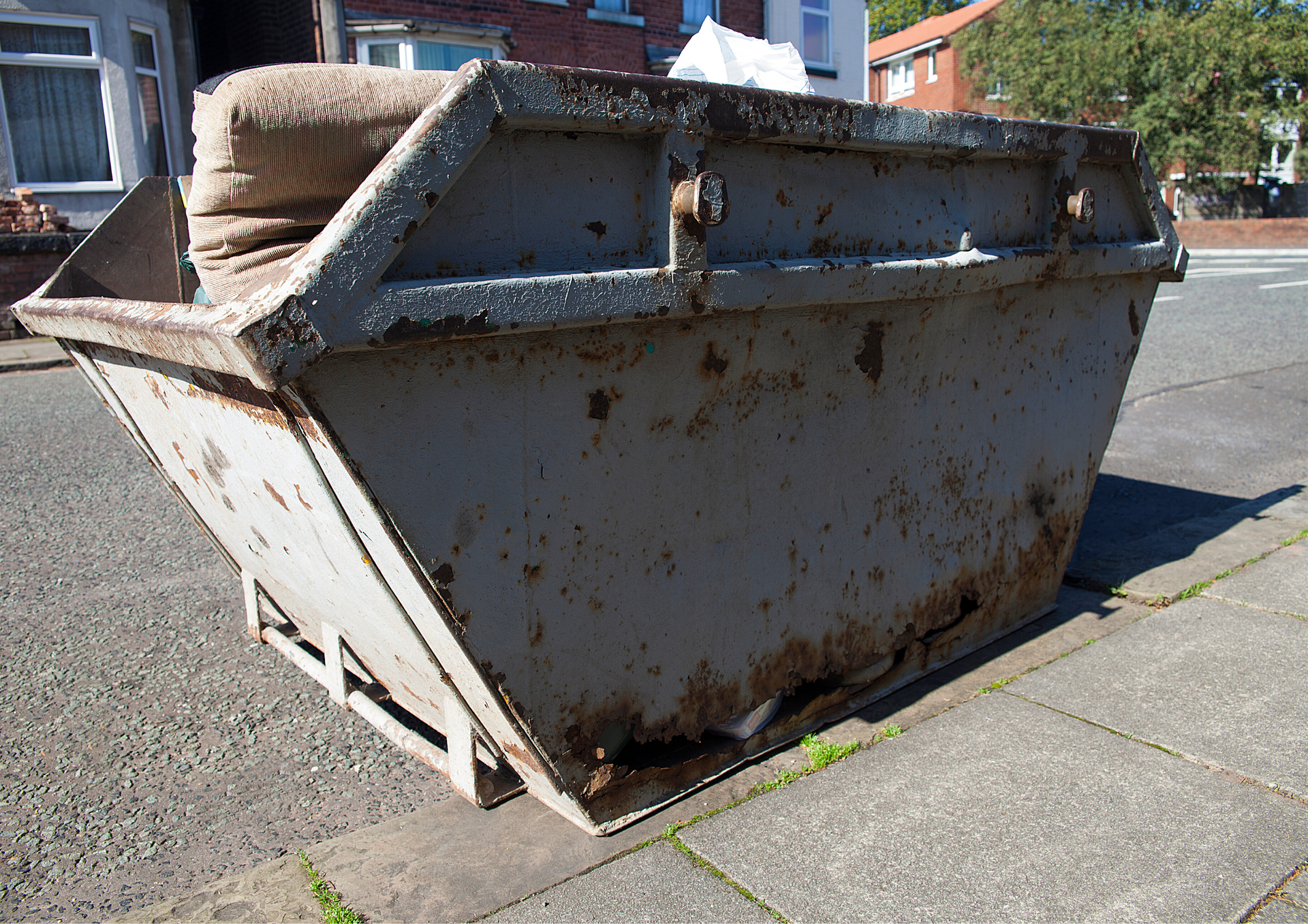


What to Consider Before Arranging Skip Hire Near Me for Your Home
Hiring a skip can make household clearances, renovations and property maintenance considerably easier, but making the right arrangements beforehand is important. From choosing an appropriate size to deciding where the container will be positioned, a little preparation can prevent delays and help waste removal run smoothly. Homeowners considering skip hire near me should therefore look beyond availability alone and think carefully about the practical requirements of their project.
The amount and type of waste produced can vary significantly. Clearing a spare room may generate relatively little material, whereas renovating a kitchen, replacing a bathroom or preparing a property for new occupants can create substantially more. When considering skip hire near me, understanding the likely waste volume before booking makes it easier to select an appropriate solution and organise the work effectively.
Placement also deserves attention. A private driveway may provide convenient access, but properties with limited outdoor space can require alternative arrangements. Delivery vehicle access, nearby parked cars, gates, walls and other obstacles should all be considered before the skip arrives.
For customers in Romford and the surrounding area, local planning can be particularly valuable because residential streets and property layouts vary considerably. Skip Hire Romford helps homeowners, landlords, surveyors, local authorities and those responsible for residential and commercial properties consider these practical details before arranging waste removal. Understanding the process beforehand can make the entire experience simpler from delivery through to collection.
Assessing Your Waste and Choosing an Appropriate Size
Choosing an appropriate container begins with understanding what your project is likely to produce. Estimating waste before booking helps prevent problems caused by insufficient capacity while avoiding a container that is unnecessarily large. Customers considering skip bin hire should assess both the quantity and nature of the materials they expect to remove.
Household Clearances
- Decluttering bedrooms, lofts, cupboards and garages can produce more material than initially expected, particularly when bulky furniture and stored possessions are involved.
- Separating items that can be reused, donated or recycled before filling the container can reduce the amount of disposal space required.
- Completing an initial assessment of each room gives a clearer picture of the likely waste volume before making a booking.
- Landlords preparing properties between tenancies may also find it useful to identify unwanted furnishings and damaged items before selecting a size.
Renovation and DIY Waste
- Kitchen and bathroom refurbishments can generate old units, fittings, packaging, timber and other renovation materials.
- Larger home improvement projects should be considered as a whole rather than estimating waste from only the first stage of work.
- Heavy materials may need particular consideration because the suitable container can depend on both volume and weight.
- Discussing the type of work with the provider can help establish an appropriate option before construction or renovation begins.
Garden Projects
- Garden clearances can create bulky material including branches, plants, soil and old landscaping materials.
- Green waste can occupy considerable space even when individual items appear relatively small.
- Cutting branches and other suitable material into manageable pieces can help use available capacity more efficiently.
- Customers should check which garden materials are accepted before beginning work, particularly when a project involves mixed waste.
Commercial and Managed Properties
- Office clearances, maintenance work and refurbishment projects can generate different waste volumes from typical household jobs.
- Surveyors, landlords and local authorities may need to consider how waste removal fits alongside contractors, occupants and other site activities.
- Planning collection around the project programme can prevent a full container from occupying valuable working space longer than necessary.
- Larger or ongoing projects may require a more structured waste removal plan rather than a single booking.
Planning Placement, Access and the Hire Period
Once the likely waste volume has been considered, the next step is deciding where the container can be placed. This is particularly important for properties where parking or outdoor space is limited. A suitable position should provide convenient access for loading while allowing the delivery vehicle to place and later retrieve the container safely.
A private driveway is often the simplest option because the container remains within the property boundary. However, customers should consider the driveway surface, available width and whether positioning the container there will restrict access to vehicles, garages or entrances. It is useful to think about how the household or business will operate throughout the hire period rather than considering delivery day alone.
Where private space is unavailable, placing a container on a public road may involve additional requirements. These arrangements should be investigated before the intended delivery date rather than left until the last moment. Local requirements can vary, making early communication with the provider particularly useful.
Vehicle access is another important consideration. Delivery lorries need sufficient room to approach the property, manoeuvre and complete the placement. Narrow roads, low branches, parked vehicles, restricted entrances and other obstacles can affect what is practical. Providing accurate information when booking allows potential difficulties to be identified beforehand.
The hire period should also reflect the actual project schedule. Keeping a container for too little time can create unnecessary pressure, while retaining it considerably longer than required may be inefficient. Customers researching skip bins should therefore consider when waste will actually be produced, how quickly the work can be completed and when collection would be most convenient.
Good planning becomes particularly valuable for landlords and commercial property managers coordinating several contractors. Aligning delivery with the start of demolition, clearance or refurbishment work ensures disposal capacity is available when required. Similarly, scheduling collection after the main waste-producing stage can prevent disruption later.
Understanding Costs and Avoiding Unnecessary Expense
Price is naturally an important consideration, but comparing services effectively requires understanding what contributes to the quotation. Customers reviewing skip hire prices should consider the complete service rather than focusing solely on the lowest advertised figure. Size, location, hire duration, waste type and placement requirements can all influence the final amount.
Select the Right Capacity
- Choosing a container that is too small may result in additional collections or another booking.
- An unnecessarily large option can mean paying for capacity that the project does not require.
- Estimating waste before booking provides a better basis for selecting an appropriate size.
- Advice from an experienced provider can be particularly helpful when the expected volume is difficult to judge.
Explain the Waste Type
- Providing accurate information about the materials being removed helps the provider recommend a suitable option.
- Different projects can generate household rubbish, garden material, renovation debris or heavier construction waste.
- Customers should ask about any restrictions before filling the container rather than discovering a problem at collection.
- Separating reusable or recyclable items beforehand can also reduce unnecessary waste.
Consider Placement Requirements
- Using suitable private property for placement can simplify arrangements where adequate access is available.
- Road placement may involve additional procedures that should be considered during the planning stage.
- Checking access beforehand reduces the risk of an unsuccessful or delayed delivery.
- Customers should mention narrow entrances, restricted roads or other potential obstacles when booking.
Plan the Project Schedule
- Arrange delivery close to the point when waste generation will begin rather than significantly earlier.
- Estimate how long loading is realistically likely to take.
- Coordinate builders, decorators or clearance teams so the available capacity can be used efficiently.
- Arrange collection once the project reaches the appropriate stage to avoid leaving a full container unnecessarily.
Compare the Complete Service
- Consider delivery and collection arrangements alongside the quoted amount.
- Check what is included and ask questions about anything that is unclear.
- Reliable communication can be particularly valuable when project schedules are dependent on timely waste removal.
- Value should reflect convenience, reliability and suitability rather than price alone.
Preparing for Delivery, Loading and Collection
Preparing the property before delivery can make the process considerably easier. The intended placement area should be accessible, with vehicles, loose objects and other obstacles moved beforehand where possible. If tradespeople are working at the property, making them aware of the planned location can also prevent materials or equipment from blocking access.
Customers should consider loading methods before work begins. Heavy or bulky materials are easier to manage when the container is positioned conveniently in relation to the work area. For renovations, this might mean locating it near the main access route without obstructing entrances. For garden projects, a position close to the working area can reduce the distance materials need to be carried.
Waste should be loaded carefully and kept within the permitted capacity. Trying to place excessive material above the container can create problems when collection is due. A more organised approach involves distributing suitable waste efficiently and monitoring available space as the project progresses.
Certain materials may require separate disposal arrangements, so customers should establish what can and cannot be placed inside before loading begins. Asking these questions at the booking stage is much easier than attempting to remove unsuitable items when the project is already underway.
Smaller projects can sometimes benefit from mini skip hire, particularly where waste volumes are modest and available space is limited. The appropriate choice still depends on the materials being removed and the overall scale of the work, so capacity should be considered carefully rather than selected solely because a smaller container is easier to position.
Collection should also be planned rather than treated as an afterthought. Once work is nearing completion, customers can check whether additional waste still needs to be loaded and confirm that the surrounding area remains accessible. Vehicles or building materials should not prevent the collection lorry from reaching the container.
For residential properties, prompt collection after completion can restore driveway or parking space and help return the property to normal use. On commercial sites, removing a completed load can free working space for subsequent stages of refurbishment, maintenance or development.
Skip Hire Romford provides practical waste removal solutions for homeowners, landlords, surveyors, local authorities and customers responsible for residential and commercial properties. We understand that requirements vary considerably between a small household clearance and a larger refurbishment, which is why we focus on helping customers choose arrangements suited to their individual projects.
Our approach centres on clear communication, dependable delivery and organised collection. We can help customers consider container size, expected waste volumes, access and placement before booking, reducing uncertainty when delivery day arrives. Local knowledge of Romford and the surrounding area also helps us understand the different practical considerations that can arise across residential streets, managed properties and commercial locations.
If you are considering skip hire near me, our aim is to make the process straightforward from the first enquiry through to collection. Whether you are managing a one-off home improvement project or coordinating waste removal for a larger property, professional service designed around efficient, responsible waste management.
Check out our latest X update on what to consider before arranging
skip hire near me for your home!
Skip Hire Romford
01708 596 719
3 Bryant Avenue
Romford, RM3 0LL
United Kingdom
You might also like