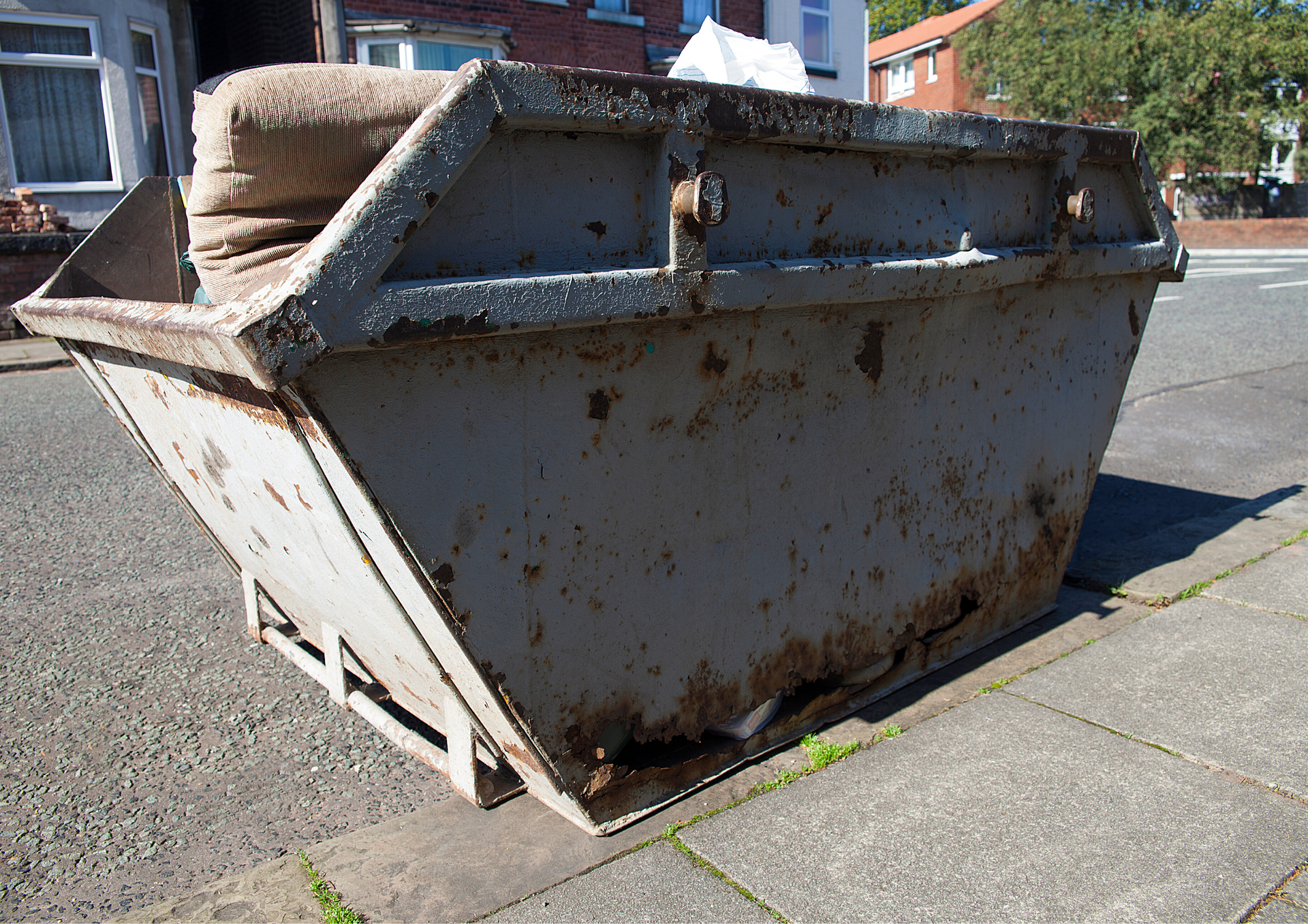


Skip Hire Solutions for Decking Removal Waste at Home Projects
Removing an old timber deck is often one of the first steps in transforming an outdoor space. Whether replacing ageing boards with modern materials, creating additional garden space, or preparing a property for sale, decking removal produces a considerable amount of waste that requires careful planning.
Timber boards, joists, fixings, handrails, broken posts, and surrounding materials quickly accumulate, making the work area difficult to manage if waste is not removed efficiently. For homeowners, landlords, surveyors, and local authorities responsible for residential and commercial properties, organising waste disposal before work begins helps maintain a safer and more productive site.
Proper planning also reduces unnecessary disruption, keeps access routes clear, and allows projects to progress without constant interruptions caused by overflowing piles of discarded materials. Choosing skip hire before dismantling begins allows waste to be collected in one designated location rather than being scattered around the property.
This simple approach helps maintain organisation throughout the project while reducing the need for multiple journeys to disposal facilities. Whether the decking covers a small patio or extends across a large commercial outdoor area, having suitable waste management arrangements in place supports smoother project completion.
Planning Decking Removal Before Any Work Begins
Successful decking removal begins with careful planning, and arranging skip hire before the first board is lifted is an important part of the process. Assessing the structure beforehand allows property owners and contractors to estimate the amount of waste that will be generated, choose a suitable waste solution, and identify any factors that could influence the project.
Older decking installations may contain pressure-treated timber, large support beams, concrete footings, metal brackets, screws, nails, and decorative features. Some projects also uncover unexpected materials beneath the deck, including accumulated soil, weeds, paving fragments, old landscaping materials, or damaged garden furniture that has remained hidden for years.
Preparing the work area helps reduce unnecessary delays once dismantling begins. Garden furniture, planters, ornaments, lighting, and other movable items should be relocated to create sufficient working space. Nearby plants and landscaped areas may also benefit from temporary protection to minimise accidental damage while materials are being removed.
Before dismantling starts, it is also sensible to identify any underground services that may run beneath the deck. Drainage systems, inspection covers, utility pipes, irrigation equipment, or electrical cables should be considered carefully before digging out support posts or foundations.
Access arrangements are another important consideration. Delivery vehicles require suitable space to position waste containers safely while allowing contractors to load materials efficiently throughout the project. Good access reduces manual handling and helps keep work progressing steadily.
Many people underestimate just how much waste decking removal generates. Timber alone can occupy significant space once boards are separated from supporting joists. When combined with broken posts, rails, fixings, concrete bases, and associated landscaping waste, disposal requirements often exceed initial expectations.
Some projects also include replacing fences, paving, sleepers, pergolas, sheds, or other garden structures at the same time. Considering the full scope of planned work before arranging waste disposal helps prevent interruptions later in the project.
Careful preparation benefits everyone involved. Contractors can work more efficiently, property owners experience less disruption, and surrounding areas remain considerably tidier throughout the removal process.
Every decking project presents different challenges depending on its age, construction method, and location. A well-prepared plan provides flexibility if additional waste is discovered during dismantling, allowing work to continue with minimal disruption.
For many people beginning outdoor renovation work, searching online for skip bins near me often forms part of their initial planning. While convenience remains important, selecting a provider based on reliability, suitable container sizes, and clear communication often delivers better long-term value throughout the project.
Understanding the Different Types of Decking Removal Waste
Decking removal often produces far more waste than many people expect. Alongside timber boards, projects can generate a mixture of construction materials, garden debris, and landscaping waste. Understanding the different waste categories helps property owners plan more effectively, maintain an organised work area, and keep the project progressing efficiently.
Timber Materials
- Deck boards exposed to years of weather may be rotten, warped, split, or unsuitable for reuse.
- Supporting joists, bearers, and structural framing are often removed alongside the decking.
- Large timber sections can occupy considerable space once dismantled.
Metal Components
- Screws, nails, bolts, brackets, hinges, and metal connectors are commonly removed.
- Collecting metal fixings separately helps keep the work area tidy and reduces trip hazards.
Concrete and Structural Supports
- Deck posts are frequently secured with concrete footings or post supports.
- Removing these foundations increases the overall weight of the waste.
- Excavation may be necessary when preparing the area for redevelopment.
Garden and Hidden Waste
- Older decking often conceals leaves, branches, weeds, moss, soil, stones, and other debris.
- Clearing hidden waste improves drainage and prepares the ground for future landscaping.
Landscaping Materials
- Deck replacement projects often include removing:
- Old fencing
- Paving slabs
- Flower beds
- Turf
- Pathways
- Outdoor seating areas
- These additional materials contribute to the total volume of waste.
Green Waste
- Garden improvements may generate grass cuttings, hedge trimmings, shrubs, branches, and other biodegradable materials.
- A green waste skip can help separate garden waste from construction materials where appropriate.
Weather Considerations
- Wet timber becomes heavier and more difficult to handle.
- Mud attached to boards and posts can increase waste weight.
- Planning for changing weather conditions helps minimise delays.
Residential and Commercial Projects
- Domestic decking removal often accompanies home renovations or garden improvements.
- Commercial premises such as schools, offices, restaurants, retail developments, and public buildings may require phased removal to minimise disruption.
- Landlords frequently replace worn decking before preparing properties for new tenants.
Structural Assessments
- Surveyors may identify deterioration affecting:
- Supporting beams
- Concealed joists
- Retaining structures
- Deck subframes
- Removing all damaged components provides a sound base for replacement structures.
Site Organisation
- Keeping waste contained in one designated location improves housekeeping.
- Regularly clearing loose boards and debris helps reduce trip hazards.
- Progressive loading allows dismantling work to continue without unnecessary interruptions.
Planning Ahead
- Decking removal projects often expand to include patios, composite decking, outdoor kitchens, or landscaped gardens.
- Planning waste disposal from the outset helps the entire project run more smoothly.
Considering Overall Value
- When comparing skip hire prices, it is worth assessing the complete scope of the project rather than focusing solely on the initial cost. Selecting the appropriate container from the beginning can help avoid unnecessary delays if additional waste is produced during the renovation.
Keeping Decking Removal Projects Safe, Organised, and Efficient
Decking removal may appear straightforward, but once dismantling begins, large quantities of timber and associated materials can quickly affect the working environment. Maintaining an organised site allows the project to progress more efficiently while reducing unnecessary obstacles for everyone involved.
One of the first priorities is creating a logical working sequence. Removing handrails, balustrades, steps, and deck boards before dismantling the supporting framework often provides greater control throughout the project. This method also allows materials to be sorted more easily as they are removed.
Fixings should be handled carefully. Nails, screws, brackets, and metal connectors can easily become hidden amongst piles of timber if not collected regularly. Keeping these materials contained helps reduce the risk of accidental injuries and prevents unnecessary delays when clearing the site afterwards.
Timber boards should be stacked neatly before loading rather than thrown into large piles. Organised stacking makes loading more efficient and allows larger sections of timber to fit within the available space without creating unnecessary voids.
Good housekeeping throughout the project also protects surrounding areas. Regularly removing loose debris from pathways, driveways, patios, and garden areas helps maintain safe access for contractors, occupants, and visitors while reducing the amount of dirt carried into nearby buildings.
Many decking removal projects uncover hidden defects that were not visible before dismantling began. Rotten support posts, damaged subframes, unstable retaining structures, or poor drainage may only become apparent once the original deck has been removed. Allowing flexibility within the project schedule provides time to address these issues before replacement work begins.
Weather conditions should always be considered during outdoor work. Wet timber can become slippery, while strong winds may make handling long boards more difficult. Planning removal work around suitable weather conditions often improves both safety and productivity.
Where properties remain occupied during renovation, maintaining clear pedestrian routes is particularly important. Families, tenants, employees, or visitors should be able to move around the property safely while work continues. Temporary barriers and clearly defined working areas help minimise disruption throughout the project.
Commercial sites often require additional planning to accommodate daily operations. Schools, offices, retail premises, healthcare facilities, and hospitality venues may need work to be scheduled around opening hours or quieter periods to reduce inconvenience while maintaining safe access.
Communication between everyone involved contributes significantly to efficient project management. Contractors, property owners, site managers, and surveyors all benefit from understanding the planned sequence of work and any changes that arise during dismantling.
Organised waste management also supports environmental responsibility. Timber, metal, concrete, and other recoverable materials can often be separated more effectively when waste is handled systematically rather than mixed indiscriminately during removal.
As outdoor renovation projects continue, additional materials often join the waste stream. Old fencing, paving slabs, planters, edging, damaged garden furniture, or redundant landscaping features may all be removed at the same time. Planning for this possibility helps prevent unnecessary disruption as the project develops.
Some property owners initially focus on finding the best price skip bins, but overall service quality, dependable delivery arrangements, and practical support throughout the project often prove equally valuable when managing substantial volumes of decking waste.
Environmental Considerations When Disposing of Decking Materials
Responsible waste management plays an important role in any decking removal project. By handling materials carefully and considering opportunities for recycling or reuse, property owners can reduce waste, support sustainable practices, and maintain a cleaner working environment throughout the renovation.
Timber Recycling and Reuse
- Timber may be suitable for different recycling or recovery processes depending on its condition and previous treatment.
- Untreated wood may have different disposal options from pressure-treated or coated timber.
- Sound timber can sometimes be reused for:
- Raised planters
- Garden projects
- Storage structures
- Temporary landscaping features
- Assessing materials before disposal helps reduce unnecessary waste.
Recycling Metal Components
- Metal items removed during dismantling may include:
- Nails
- Screws
- Brackets
- Hinges
- Structural connectors
- Separating these materials during waste processing allows valuable resources to be recovered.
Concrete Recovery
- Concrete footings and support bases may be suitable for recycling into other construction materials.
- Although heavy, concrete can often be processed through established waste recovery systems rather than simply discarded.
Planning for Sustainable Improvements
- Choosing durable replacement materials can reduce future maintenance requirements.
- Improving drainage during redevelopment supports the long-term performance of the outdoor space.
- Thoughtful garden design can minimise future repair work while improving usability.
Preventative Property Maintenance
- Regular inspections help identify timber decay before extensive deterioration develops.
- Surveyors and facilities managers often recommend planned maintenance to reduce the likelihood of larger replacement projects in the future.
- Early intervention can extend the lifespan of outdoor structures.
Keeping the Surrounding Area Clean
- Keeping waste contained prevents debris from spreading onto:
- Neighbouring properties
- Footpaths
- Driveways
- Public areas
- Maintaining a tidy site benefits both contractors and nearby residents while work is underway.
Supporting Responsible Waste Management
- Careful planning helps reduce unnecessary waste throughout the project.
- Organised handling of materials improves site efficiency.
- Responsible disposal practices contribute to cleaner communities and support more sustainable property improvements.
By combining careful planning with responsible waste handling, decking removal projects can be completed more efficiently while helping protect the surrounding environment and making better use of valuable materials.
At
Skip Hire Romford, we appreciate that every property improvement project has different requirements. Our aim is to provide dependable waste management solutions that help customers keep their projects organised from the first day of work through to final completion.
We understand the importance of dependable skip hire, reliable deliveries, prompt collections, and clear communication throughout the hire period. Whether you're undertaking a small garden renovation or managing waste from a larger residential or commercial project, we provide practical skip hire solutions that suit the size and requirements of your project.
Our team supports homeowners, landlords, surveyors, local authorities, builders, and businesses by helping them choose suitable waste containers for their individual projects. By understanding the nature of the materials being removed, we help customers plan more effectively and reduce unnecessary disruption during their renovation.
Latest Post on X:
Skip hire solutions for timber and decking waste removal.
Skip Hire Romford
01708 596 719
3 Bryant Avenue
Romford, RM3 0LL
United Kingdom
You might also like