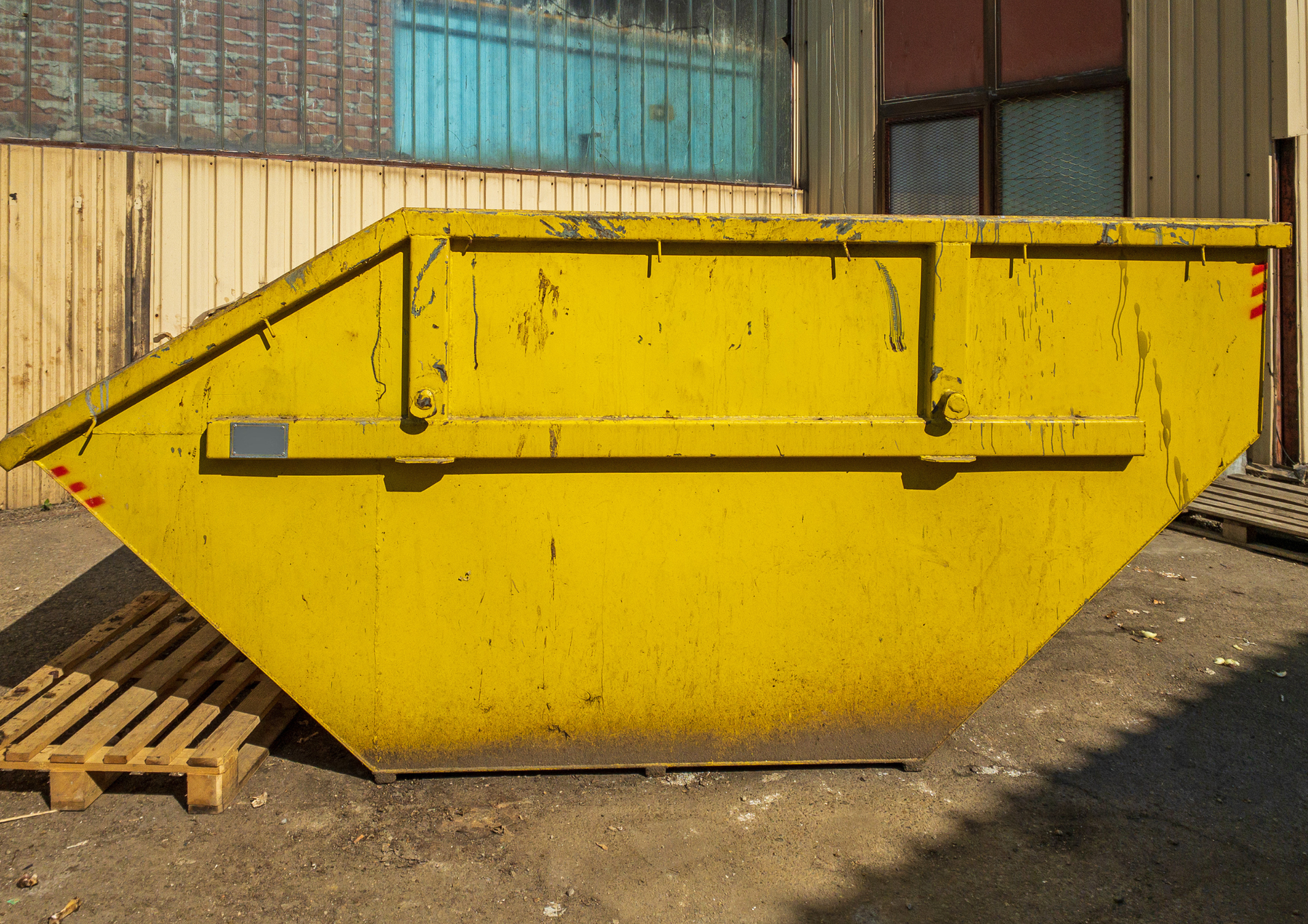


Spring Cleaning Made Simpler with Efficient Waste Clearance Plans
Spring is traditionally viewed as a time for renewal, organisation, and property improvement. As the weather begins to improve, many homeowners, landlords, surveyors, and local authorities take the opportunity to tackle accumulated clutter, undertake maintenance work, and prepare properties for the months ahead.
Whether the project involves clearing out garages, refreshing gardens, renovating interiors, or preparing commercial premises for new occupants, effective waste management plays a significant role in keeping projects organised and productive. For many residential and commercial properties, one of the biggest challenges during spring cleaning is managing the large volume of unwanted materials generated throughout the process.
Old furniture, damaged household items, garden waste, packaging materials, and renovation debris can quickly accumulate, creating obstacles that slow progress and affect site safety. Using skips provides a practical solution that helps keep properties organised while supporting efficient waste removal throughout the duration of a project. Proper planning can significantly reduce disruption and help ensure cleaning and clearance work is completed more effectively.
Planning a Successful Spring Cleaning Project
Every successful spring cleaning project begins with careful planning. Before any clearance work starts, it is beneficial to assess the areas requiring attention and estimate the amount of waste likely to be produced. This helps property owners and managers establish realistic timelines while ensuring suitable arrangements are in place for waste disposal.
Many projects involve more than simply removing unwanted belongings. Spring cleaning can include loft clearances, garage organisation, garden maintenance, office decluttering, storage room clear-outs, and property refurbishment preparation. Each activity can generate different waste streams that require responsible handling.
Creating a simple checklist can help prioritise tasks and identify which items can be reused, recycled, donated, or disposed of appropriately. This structured approach often improves efficiency and prevents waste from accumulating in multiple locations across a property.
For larger projects, allocating a dedicated waste disposal area can further improve organisation. Having a central location for unwanted materials allows teams to work more effectively while reducing unnecessary movement around the site.
Managing Waste During Residential and Commercial Clearances
Effective waste management is one of the most important aspects of any spring cleaning project. As unwanted items accumulate, work areas can quickly become cluttered, making projects more difficult to manage. Understanding the types of waste commonly generated can help property owners plan more effectively and maintain an organised environment throughout the clearance process.
Residential Property Waste
- Unwanted furniture and household items
- Broken or outdated appliances
- Old flooring and carpets
- Damaged garden tools and equipment
- Children's toys and play equipment
- General household clutter accumulated over time
Commercial Property Waste
- Obsolete office furniture
- Archived paperwork and storage materials
- Packaging waste from deliveries and stock
- Display units and promotional materials
- Shelving and storage systems
- General business-related waste and unwanted equipment
Benefits of Planned Waste Removal
- Helps minimise disruption throughout the project
- Keeps work areas accessible and organised
- Reduces the need for multiple trips to disposal facilities
- Maintains clear access routes around the property
- Supports safer and more efficient working conditions
- Improves the overall appearance of the site during the project
Who Benefits Most from This Approach
- Homeowners undertaking seasonal clearances
- Landlords preparing properties for new tenants
- Surveyors overseeing maintenance and improvement works
- Local authorities managing larger-scale clearance programmes
- Businesses carrying out office or premises reorganisation projects
When waste is managed efficiently from the outset, spring cleaning projects often progress more smoothly, allowing properties to be refreshed and improved with fewer interruptions.
Supporting Property Improvements and Seasonal Maintenance
Spring cleaning often acts as a starting point for wider property improvements. Once unwanted items have been removed, many owners choose to undertake decorating projects, landscaping work, repairs, maintenance tasks, or refurbishment programmes.
Removing clutter before maintenance begins allows contractors and tradespeople to work more efficiently while reducing the likelihood of delays. Clear access to walls, floors, gardens, storage areas, and external spaces often makes inspections and repair work considerably easier.
Seasonal garden maintenance is another significant contributor to waste generation during spring. Pruning, hedge trimming, lawn renovations, tree maintenance, and landscaping projects can produce substantial volumes of green waste. Without effective disposal arrangements, outdoor spaces can quickly become difficult to manage.
For commercial sites, spring maintenance may include warehouse clearances, office reorganisation, external grounds maintenance, and preparation for increased seasonal activity. Public buildings, educational facilities, and community spaces often undertake similar improvement programmes during this period.
By incorporating waste management into the planning process from the outset, organisations can maintain momentum throughout improvement projects while supporting cleaner, safer, and more organised working environments. In many cases, property owners choose to order a skip before work begins so waste can be managed immediately as materials are removed from the site.
Choosing Practical Waste Solutions for Different Projects
Choosing the right waste disposal solution is an important part of any successful spring cleaning project. Different types of property clearances generate varying amounts of waste, making it beneficial to assess project requirements before work begins. Proper planning helps maintain efficiency, reduce delays, and keep properties organised throughout the clearance process.
Factors That Influence Waste Disposal Requirements
- Size of the property being cleared
- Type of project being undertaken
- Volume of waste expected
- Duration of the cleaning or maintenance work
- Access available for waste collection and removal
- Residential or commercial property requirements
Projects That Commonly Generate Waste
- Household decluttering and clear-outs
- Garden maintenance and landscaping work
- Property refurbishment projects
- End-of-tenancy property preparation
- Office reorganisation and commercial clearances
- Building maintenance and repair programmes
Keeping Projects Organised
- Estimate waste volumes before work begins
- Arrange suitable waste disposal facilities in advance
- Separate recyclable and non-recyclable materials where possible
- Keep pathways and working areas clear
- Follow appropriate guidelines for restricted or hazardous materials
- Monitor waste levels throughout the project
Benefits of Modern Booking Systems
- Convenient scheduling before work starts
- Flexible planning around project timelines
- Simplified booking and management processes
- Improved coordination of waste collection services
- Reduced administrative effort for property owners and managers
Many customers now choose to skip online when organising spring cleaning, refurbishment, or maintenance projects, helping ensure waste management arrangements are in place before work begins.
Whether managing a private residence, rental property, commercial premises, or public sector project, a structured approach to waste disposal can contribute significantly to a smoother and more efficient spring cleaning programme. Many people refer to waste containers as skip's, which provide a practical solution for collecting and managing unwanted materials throughout clearance and maintenance projects.
At
Skip Hire Romford, we understand that every property clearance and spring cleaning project presents different challenges. Our goal is to provide dependable waste management support that helps customers keep projects organised from start to finish.
We work with homeowners, landlords, surveyors, businesses, and public sector organisations requiring practical waste disposal solutions for residential and commercial properties. Our team focuses on reliability, clear communication, and straightforward service, helping customers manage waste efficiently throughout their projects.
Whether you are planning a seasonal property refresh, preparing a rental property, undertaking maintenance work, or coordinating larger-scale clearance activities, we provide professional support designed to help your project run smoothly and efficiently.
Don't Miss Out on X: Discover how
skips help simplify spring cleaning projects.
Skip Hire Romford
01708 596 719
3 Bryant Avenue
Romford, RM3 0LL
United Kingdom
You might also like