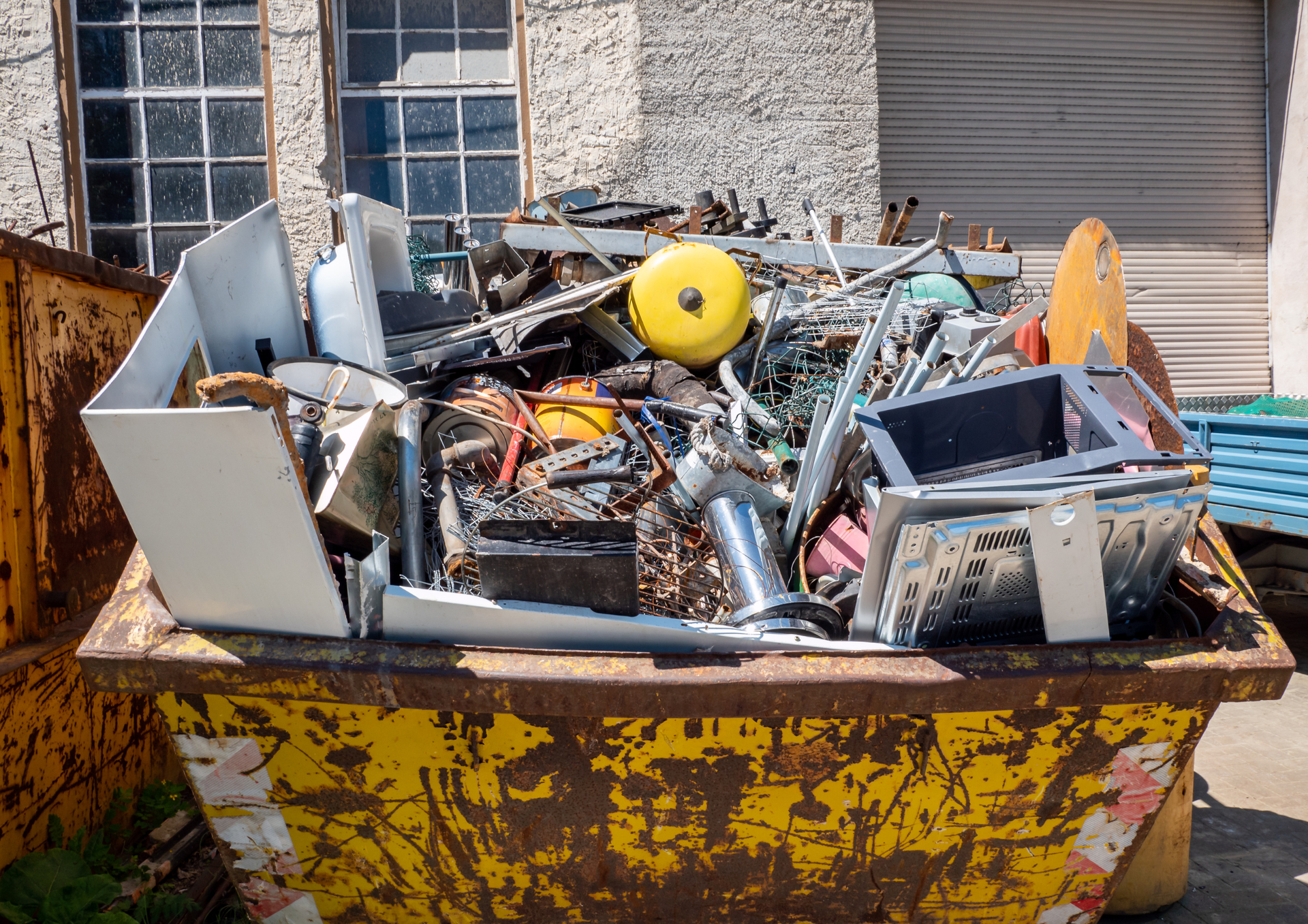

Effective Ways to Manage Waste Overflow with Additional Skips
Construction work, property clearances, and renovation projects often generate more waste than initially expected. Whether it is a roofing project, internal strip-out, or landscaping work, waste can quickly accumulate and exceed planned capacity. Without a clear strategy, this can lead to delays, safety concerns, and disruption to the overall workflow.
Recognising When Waste Capacity Is Reaching Its Limit
During any project, it is common for waste volumes to increase beyond original estimates. Materials such as timber, plasterboard, soil, bricks, and general construction debris can accumulate quickly, especially during demolition or refurbishment phases.
Recognising the signs of approaching capacity is essential. A skip nearing its fill line, reduced working space on site, or difficulty disposing of materials efficiently are all indicators that additional arrangements may be needed. Waiting too long can result in overcrowded work areas, making it harder for trades to operate safely and effectively.
Planning ahead allows project managers and property owners to anticipate peak waste periods. For example, demolition stages often produce the highest volume of debris, while finishing stages may generate less. By understanding the project timeline, additional support can be scheduled at the right moment to avoid unnecessary disruption.
The Benefits of Using Additional Skips for Ongoing Projects
Introducing extra containers at the right stage helps maintain a clean, organised, and productive site. Overflowing waste areas can slow down progress, create hazards, and negatively impact the overall efficiency of the project.
Using additional skips ensures that waste is continuously managed without interruption. It allows trades to dispose of materials immediately rather than storing them temporarily, which can lead to clutter and reduced working space. This is particularly important for sites with limited access or where multiple trades are operating at the same time.
For larger residential developments or commercial projects, having more than one skip available can improve workflow. Different containers may be used for separate waste streams, helping to keep materials organised and easier to manage after collection. This structured approach supports smoother operations and helps maintain a professional site environment.
The flexibility of arranging extra capacity also means projects can adapt to unexpected changes. Whether it is additional demolition work or an increase in material waste, having access to further containers provides reassurance that waste removal will not become a bottleneck.
Planning Placement and Collection for Efficiency
Effective placement of skips plays a key role in maintaining site safety and accessibility. Positioning containers close to the main work area reduces the need to carry heavy materials over long distances, improving efficiency and reducing the risk of injury.
In residential settings, careful placement ensures minimal disruption to neighbours and maintains access for vehicles and pedestrians. Driveways are often ideal where available, while roadside placement may require prior arrangements. For commercial sites, positioning skips in designated waste zones helps keep operations organised and prevents interference with other activities.
Coordinating collection times is equally important. Regular removal of full containers prevents waste from building up and ensures there is always space available for ongoing work. Clear communication with your provider allows collections to be scheduled around your project timeline, avoiding unnecessary delays. If you need to order a skip, planning placement and collection in advance will help ensure a smooth and efficient process from delivery through to removal.
Supporting Residential and Commercial Waste Management Needs
Waste management requirements vary depending on the type and scale of the project. Homeowners undertaking renovations may need flexible solutions that adapt as work progresses, while landlords preparing properties for new tenants often require quick and efficient clearance.
Surveyors and local authorities overseeing larger developments benefit from structured waste planning that supports compliance and site organisation. Commercial properties, including offices and retail units, often require coordinated solutions to manage waste during refurbishment or redevelopment works.
The ability to skip online has made arranging services more convenient, allowing customers to select the appropriate size and schedule delivery quickly. This streamlined approach helps reduce downtime and keeps projects moving forward.
Some customers may refer to skip’s when discussing hire options, but clear communication about requirements, waste types, and capacity ensures the correct solution is provided every time.
Skip Hire Romford provides dependable waste management solutions designed to support projects of all sizes. Our team offers practical guidance on selecting the right containers, arranging additional capacity, and coordinating collections to suit your schedule.
We understand the demands of both residential and commercial work in Romford and the surrounding areas. With straightforward booking options, responsive service, and reliable delivery and collection, we help keep your project organised from start to finish.
New Update on X: Effective ways to manage waste overflow with additional
skips.
Skip Hire Romford
01708 596 719
3 Bryant Avenue
Romford, RM3 0LL
United Kingdom
You might also like